Affiliate Disclosure: This page contains affiliate links. If you click through to FemiCore's official presentation and make a purchase, NutraBurnLab may earn a commission at no extra cost to you. We only share products we believe are genuinely relevant to our readers. This is not medical advice see the full disclaimer at the bottom.
3 AM. Again.
You didn't drink that much water. You know you didn't. But here you are, wide awake, making the same walk you made two hours ago and you'll probably make it again before your alarm goes off.
By morning, you're not rested. You're just tired in a different way. The kind of tired that coffee doesn't fully fix.
And it doesn't stay in the bedroom, does it?
It's the road trip you used to look forward to, now mentally rerouted around every rest stop. It's sitting near the aisle at the movies just in case. It's the quiet, exhausting math you do before every outing: where's the bathroom, how far is it, how long can I really wait.
Nobody warns you how much energy this actually takes. Not just physically the constant low grade vigilance of it. The way it shrinks your world a little, one avoided car ride at a time.
If any of this sounds familiar: you're not broken, you're not "just getting older" in some way you have to silently accept, and you are not the only one dealing with it. This is one of the most common and most under talked-about changes women go through in their 40s, 50s, and beyond.
Most advice out there stops at pelvic floor exercises. And to be clear they genuinely help. But if you've been diligent about Kegels and you're still up at 3 AM, you already know firsthand that pelvic floor strength is only part of a much bigger picture.
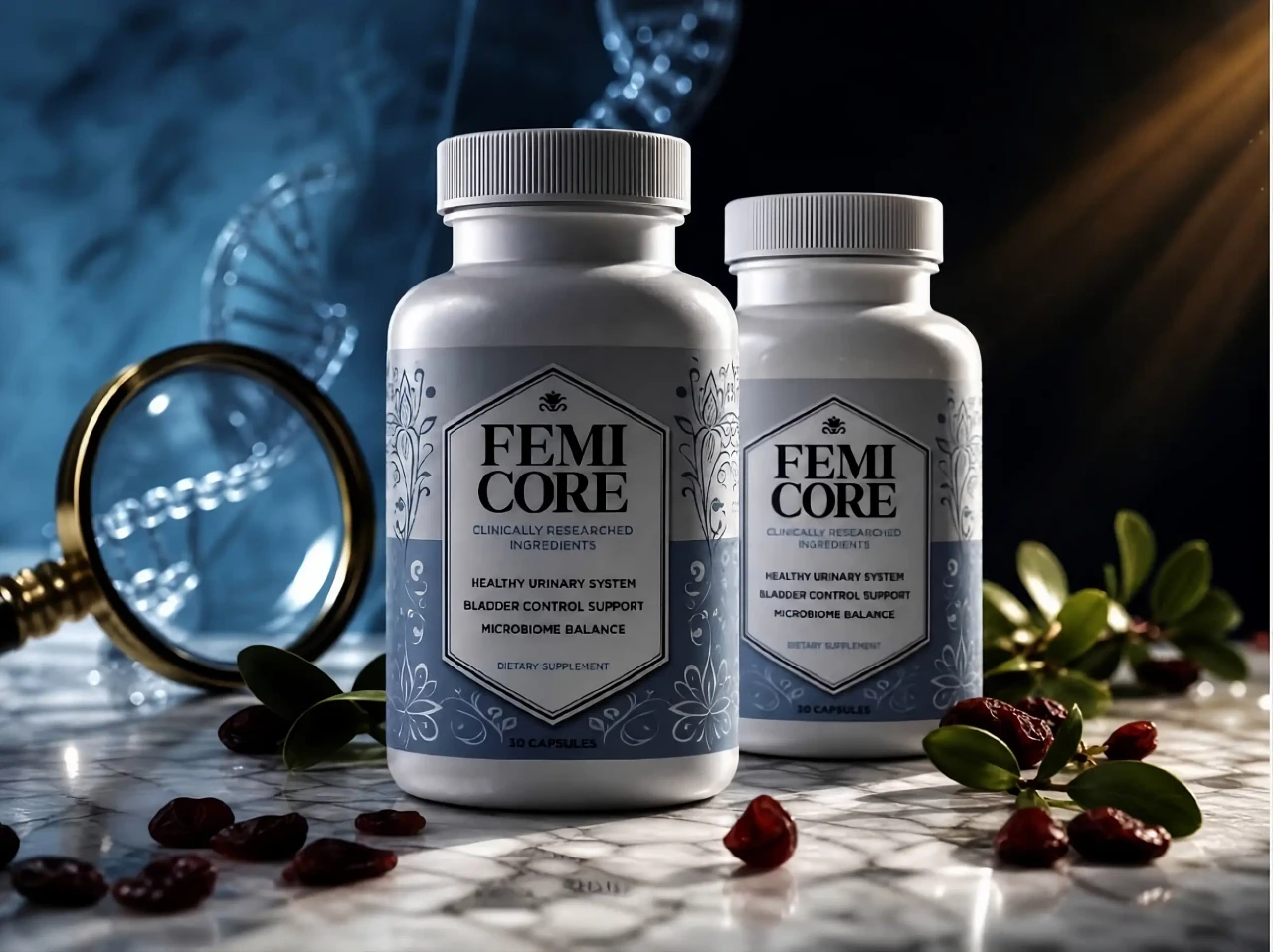
That's exactly why a growing number of women are paying attention to FemiCore a daily bladder support supplement built around a different piece of the puzzle: supporting a balanced urinary microbiome. The formula combines Mimosa Pudica, Bearberry, Cranberry Extract, and Granular Berberine with a specific probiotic blend Lactobacillus Crispatus, Lactobacillus Acidophilus, Lactobacillus Plantarum, Lactobacillus Gaseri, and Lactobacillus Cassei.
We're not going to oversell it to you. It's a supplement, not a miracle, and like anything in this category, results vary from person to person. But the approach and the reason so many women are talking about it is worth a few minutes of your attention.
No fluff, no scare tactics just a clear breakdown so you can decide for yourself whether it makes sense for you.
You don't have to keep quietly working around this. Take a few minutes, read the official report, and make an informed call.
→ Read the Official FemiCore Report
Free to read. This is an affiliate link to FemiCore's official site see disclosure above.
You've spent enough nights doing this alone. Let's see what's actually in the report.
Affiliate Disclosure: NutraBurnLab participates in affiliate marketing, including ClickBank. We may earn a commission from purchases made through links on this page, at no additional cost to you.
Medical Disclaimer: This page is for informational purposes only and is not medical advice. FemiCore is not intended to diagnose, treat, cure, or prevent any disease, and statements about it have not been evaluated by the FDA. Individual results vary. Consult a licensed healthcare provider before starting any new supplement, especially if you're on medication or have an existing health condition, or if your symptoms are new, severe, or worsening.